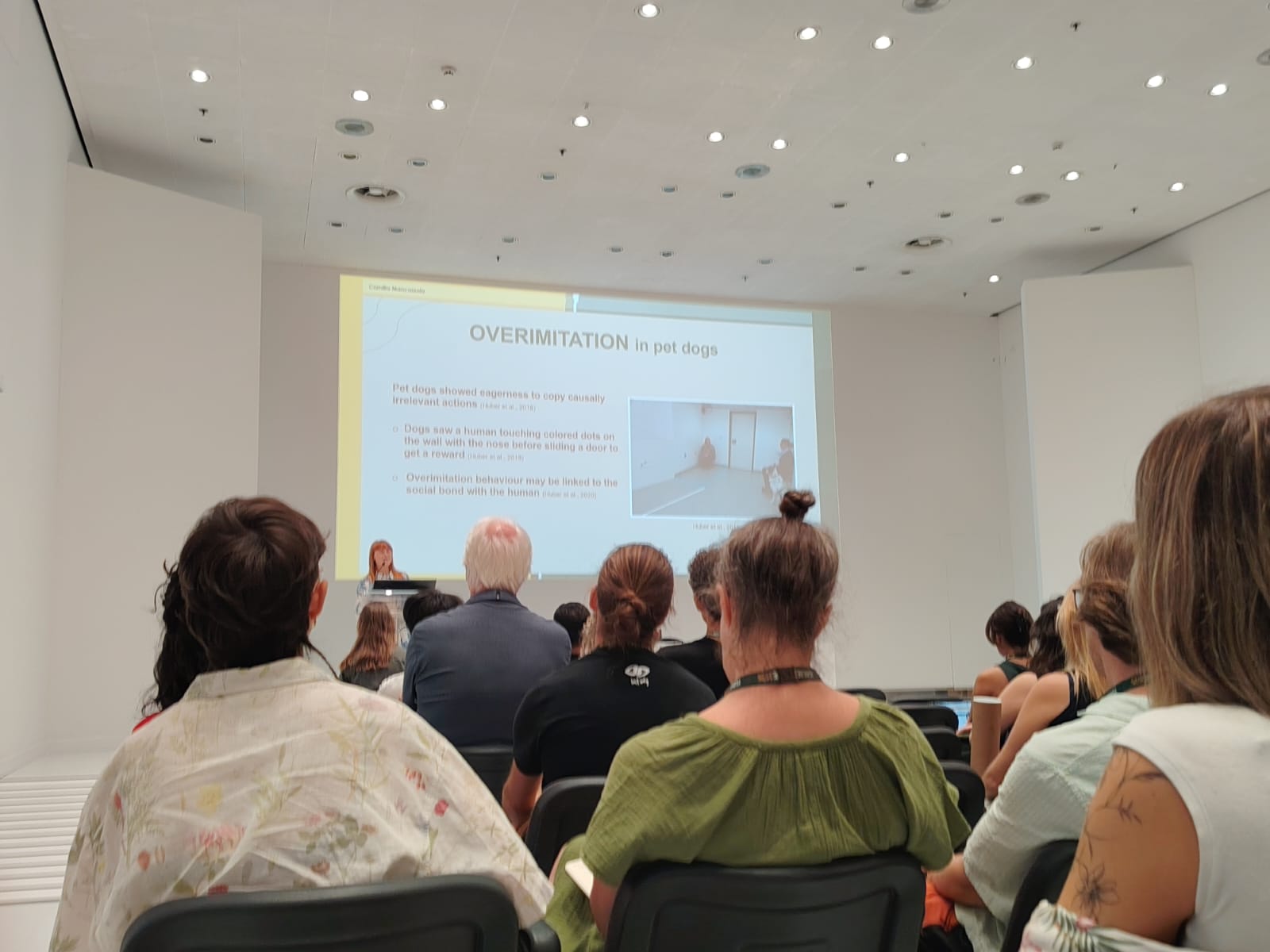
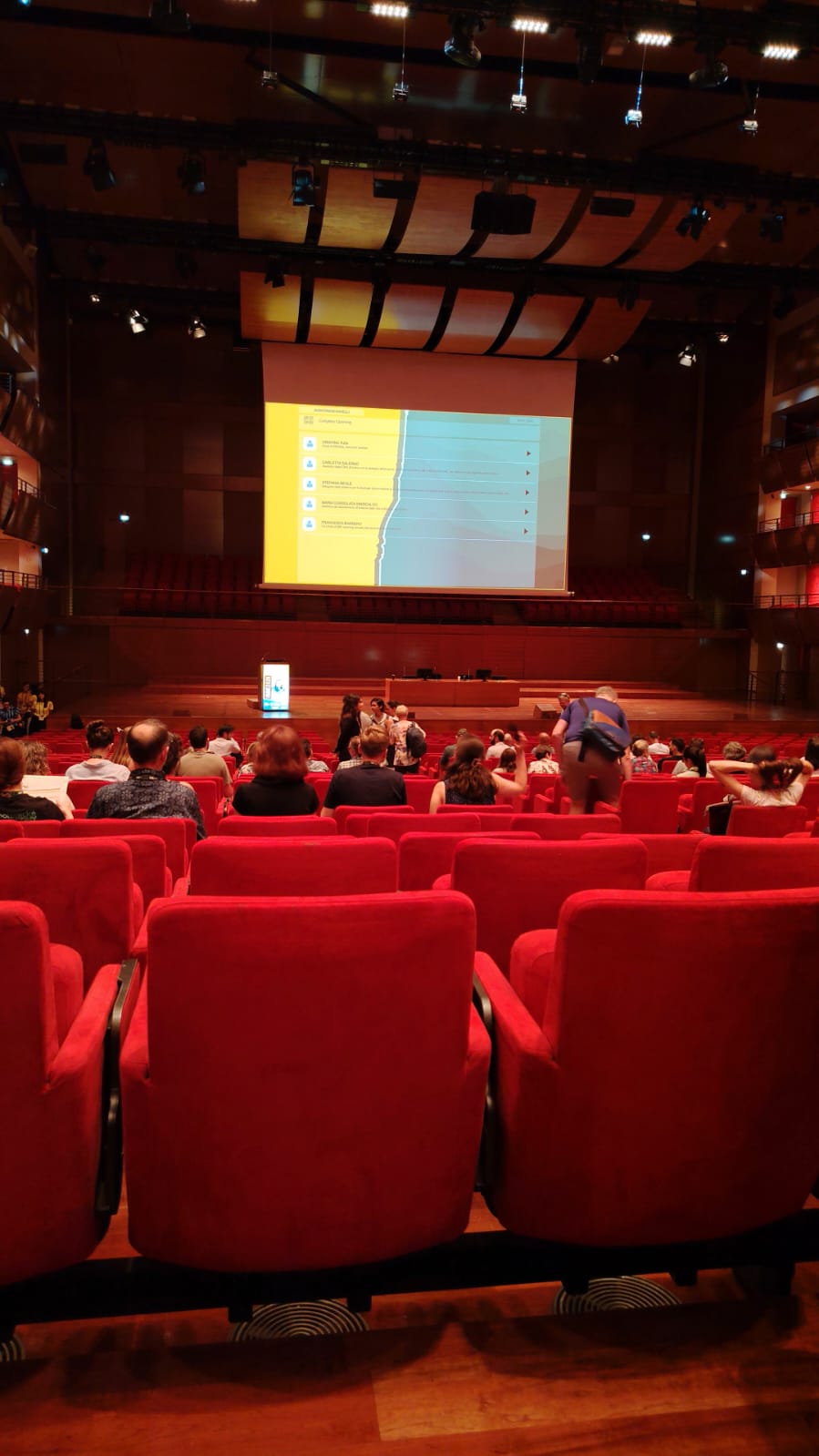
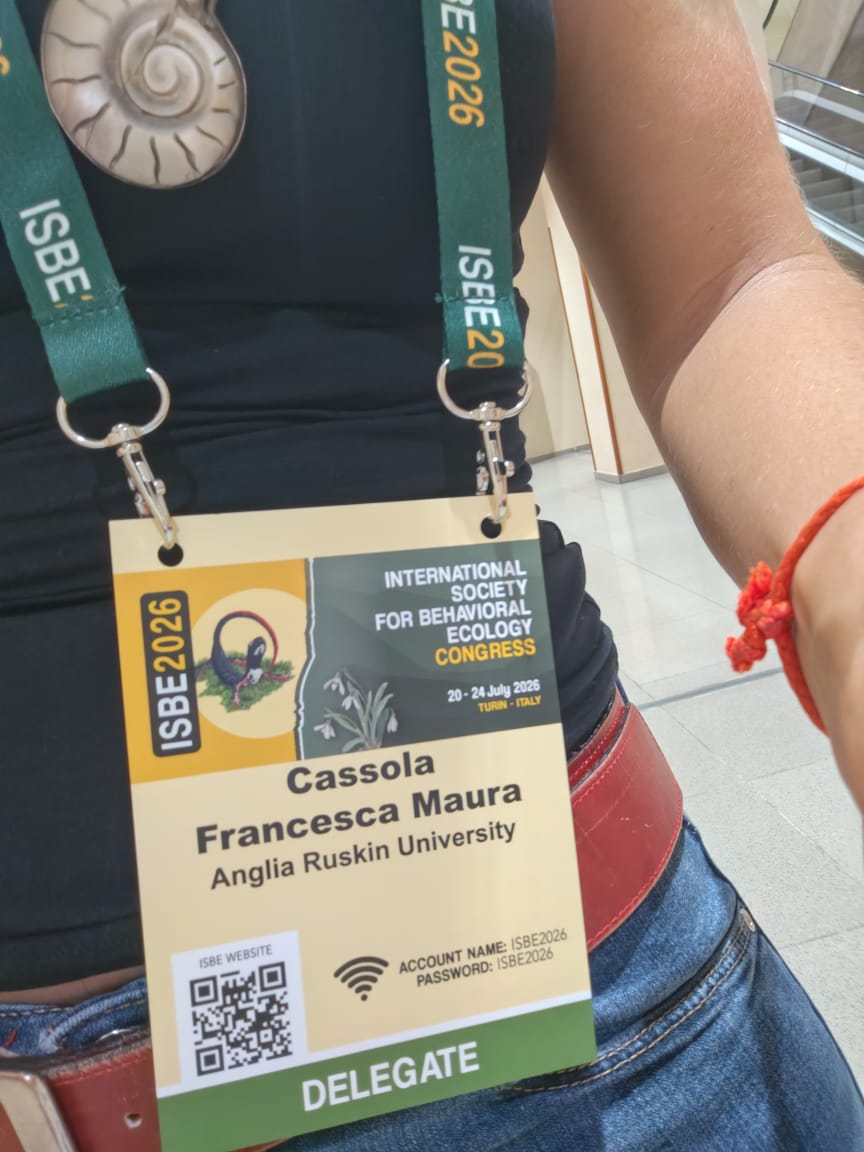
The time has finally come to tell you a little about ISBE 2026. For anyone who may have missed our previous blog and social media posts, the International Society for Behavioral Ecology (ISBE) Congress was held in Turin from 20 to 24 July 2026. It was five intense days of talks, symposia and workshops, bringing together researchers from all over the world to present the latest developments, research and discoveries in the field of behavioural ecology. The talks were grouped into broad themes, including animal personality, social behaviour, cognition, communication, parental care and much, much more. As often happens at this kind of event, many presentations ran in parallel, so each participant had to decide which ones to attend according to their own interests. This was not always an easy choice, especially when several interesting talks were taking place at the same time in different rooms. According to the initial estimates and the information presented during the opening ceremony, around 1,000 people had registered. These included PhD students, early-career researchers, senior professors and, more generally, people interested in the topics covered by the congress. The talks lasted around ten minutes, with a few additional minutes for questions—provided, of course, that the speaker had not already exceeded their allotted time—and there were only three minutes to move from one room to another. Unfortunately, some researchers used more time than they were supposed to, although this did not prevent people from getting up and leaving if they needed to reach another presentation. Remember: if you are given a time limit, respect it! Not only for your own sake, but also for the people who have come to listen to you and for the organisers.
However, these events are not only about listening to presentations, but also about meeting people and exchanging ideas. For me, this was my first international event and, considering how shy I am, I did not manage to take the initiative and introduce myself to other researchers. However, I presented a poster and, during the session dedicated to it, I managed to speak with around ten people. At ISBE, the poster session lasted only an hour and a half. During this time, presenters remained beside their posters, while other participants could stop to read them, ask questions and discuss the work. Of course, many of the other authors also had to remain next to their own posters, which made it more difficult for presenters to visit the rest of the exhibition. The poster I presented was entitled Reptile Cognition Across 25 Years: Progress, Biases, and Key Gaps and was based on a review of the scientific literature on experimental studies of reptile cognition published over the past twenty-five years. This work provides the background and represents one of the scientific foundations of EvOCRO. Before focusing on crocodile cognition, it was necessary to understand what had already been studied in reptiles, which approaches had been used and which aspects still required greater attention.
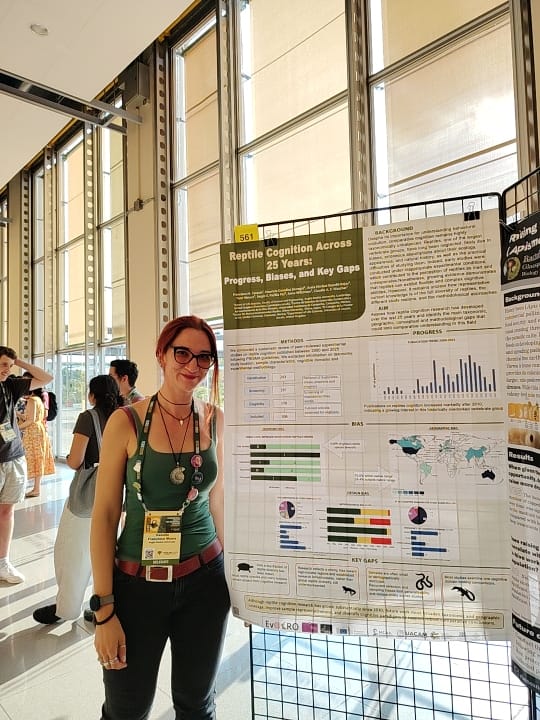
I will not go into the details of the results here, because the work is not yet complete and the aim is to turn it into a scientific article. I therefore hope to be able to share much more in the future, once the work is ready for publication. For the moment, I can only say that, despite the progress made over the past twenty-five years, important imbalances remain in research on reptile cognition. During the poster session, it was interesting to see that many people were pleasantly surprised to discover that several techniques used to study cognition in other vertebrates have also been applied to reptiles. At the same time, there is still a considerable bias in research on herpetofauna—and here I am including both reptiles and amphibians. Studying groups that remain underrepresented does not simply mean adding new species to a list: it can help us better understand how certain abilities have evolved and how they may differ among animal groups with different evolutionary histories. Even when looking at the congress programme, it was difficult not to notice how research on animal behaviour continues to focus much more heavily on certain groups of animals than on others. Of course, this is only a general impression based on the presentations I was able to attend, rather than the result of a formal analysis of the programme, but it nevertheless reminds us that we still have a long way to go.
I cannot say that this experience suddenly cured my shyness, because that would not be true. However, the poster provided me with a concrete meeting point and allowed me to talk about my work with people who had chosen to stop, read and ask questions. ISBE 2026 was an intense event, with an extremely rich and, at times, perhaps even overly packed programme. However, it was also an important opportunity to present one of the scientific foundations of EvOCRO and to bring reptiles—and, of course, crocodiles—a little closer to the centre of the conversation.
F. M. C.