Welcome to the official webpage of EvOCRO, a project funded by the European Union’s Marie Skłodowska-Curie Actions. Through this blog, and the connected social media channels, we want to take you directly into the daily work of the project: not only experiments and field activities, but also behind-the-scenes moments, curiosities, and everything that makes the life of a research group studying animal cognition unique.
This space is designed for anyone who is curious: students, researchers, nature enthusiasts, conservation professionals, or simply people fascinated by animal behaviour, by crocodiles, and above all by Nature itself and the importance of understanding and preserving it.
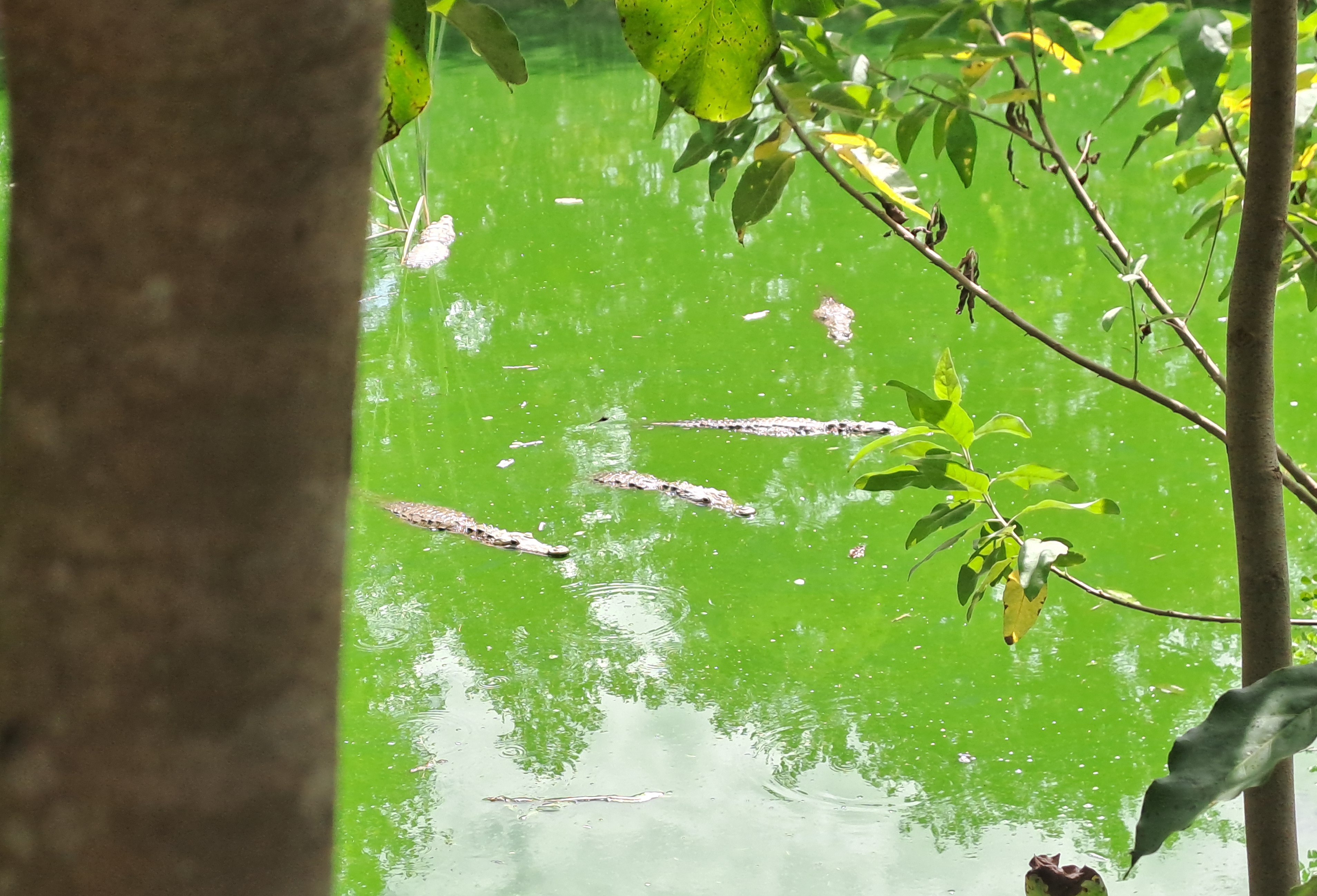
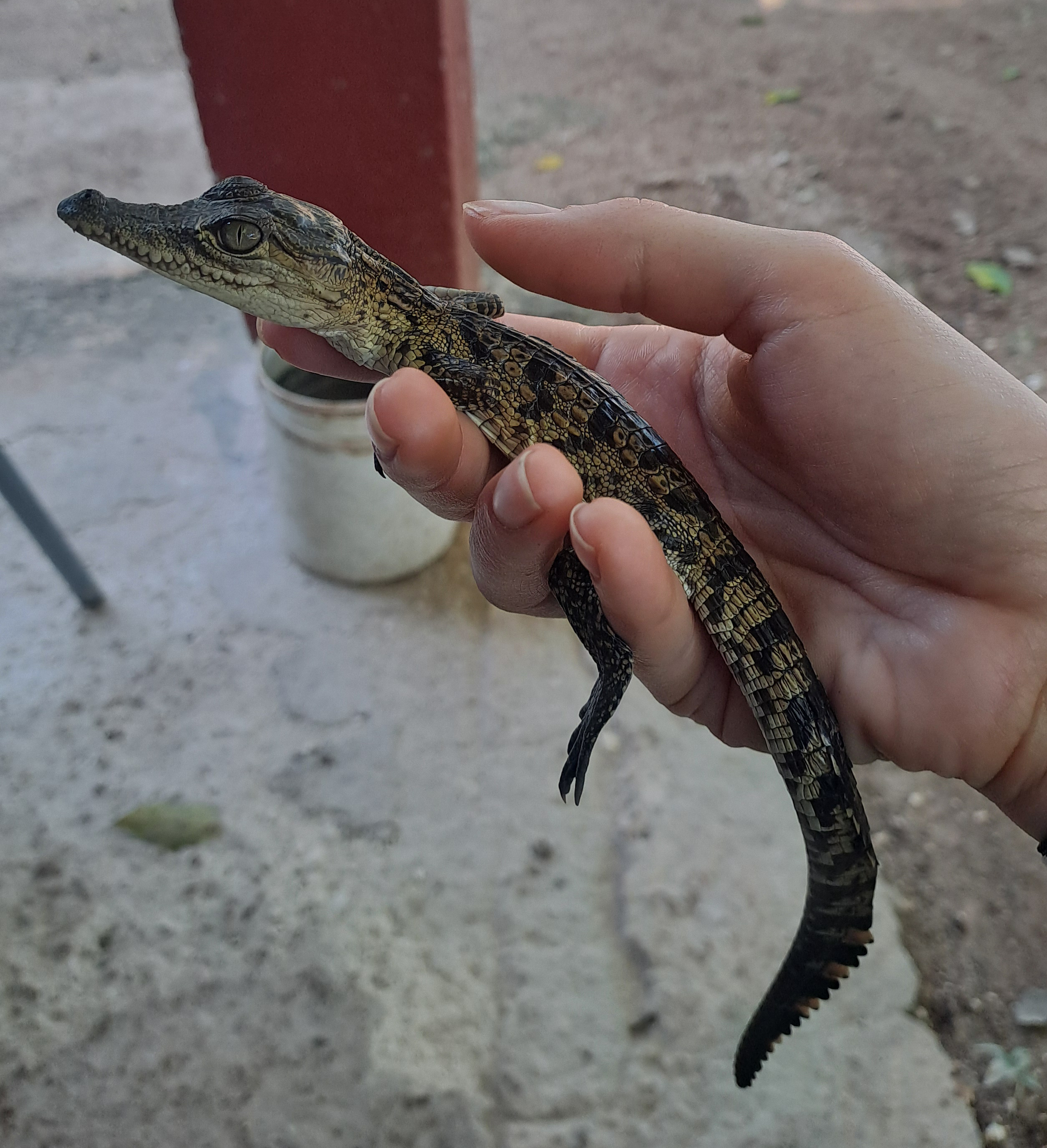
If you have already explored the website, you will know that the protagonists of this project are crocodiles, particularly Crocodylus moreletii. Our goal is to study their learning processes and to understand in detail how individual differences, such as sex, age, and personality, influence how these animals learn and adapt.
We chose to work with reptiles for several reasons that we will explore in more detail in the coming posts. Among these is the fact that, although reptiles represent the second most species-rich group of vertebrates after fish, they have historically been understudied, often due to prejudice, practical difficulties in observing them, and a general underestimation of their cognitive abilities. EvOCRO, therefore, represents a unique opportunity to explore the minds of these extraordinary animals more closely and contribute to filling an important gap in scientific research.
In the next few weeks, we will explore not only the core of the project but also everything that surrounds it. What exactly, you may wonder? For example:
- what we mean by animal cognition, personality, and cognitive plasticity;
- why these topics matter and how they are intertwined with ecology and evolution;
- how we design a cognitive experiment and what it means to test an animal’s personality;
- how this project was conceived, which challenges we faced to secure funding, and the path that brought us here;
- how the project’s results may support species conservation and population management;
- an overview of the tools we use (cameras, sensors, controlled environments, behavioural stimuli).
But also…
- how many hours and how many means of transport it takes to get from Cambridge (United Kingdom) to Campeche (Mexico);
- what it feels like to go from desk-writing to working in 90% humidity;
- what we really need to train crocodiles;
- what should never be missing from a researcher’s suitcase;
- the backstage of our equipment: what always works and what works… only when it wants to;
- and whether experiments really ever work “on the first try”.
We will also introduce you to the people behind EvOCRO, with their scientific backgrounds – sometimes similar, sometimes very different – and we will share not only the results but also the challenges, the solutions found, and the small daily victories that shape the life of an international research project.
In the meantime, we think it is important to introduce the voices behind this blog. At the end of each post, you will find the initials of the author, so you will always know who is telling each story.
The person writing now is Francesca, principal investigator of the project: I coordinate the work, design the experiments, and personally carry out the activities with the crocodiles. But none of this would be possible without the support of my supervisor, Dr Claudia Wascher (from Anglia Ruskin University), and without the work of an international team of researchers and collaborators who have offered, and continue to offer, invaluable advice. I learn from them every day.
For now, I invite you to stay tuned, follow us on our social channels, comment, and share our content. This is just the beginning: we have many stories to tell.
F.M.C.